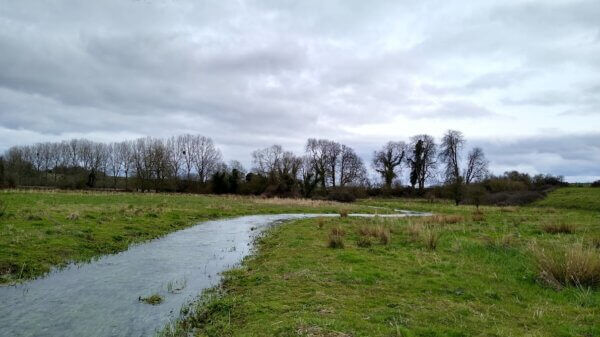
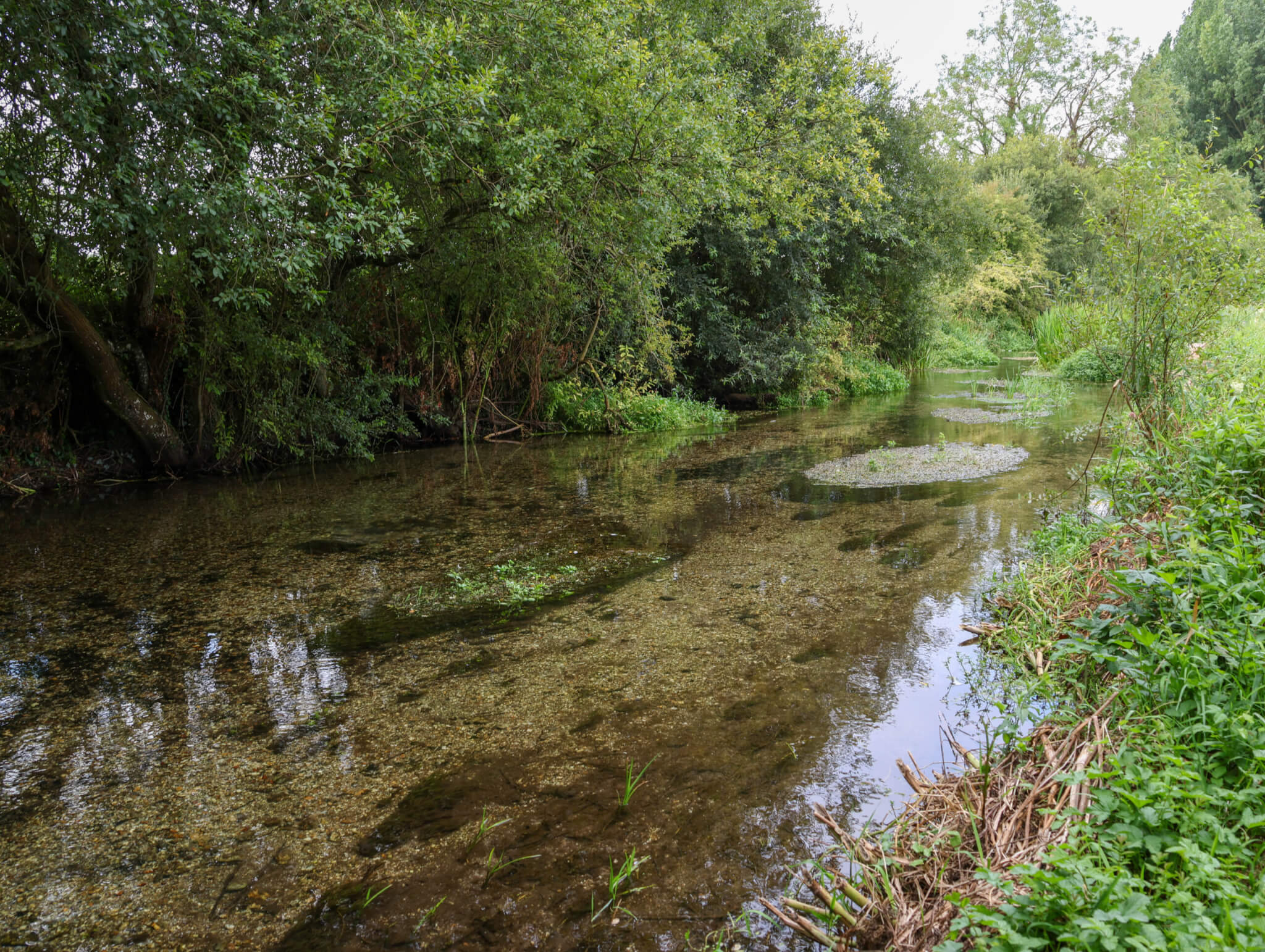
Glittering, crystal, bright and ‘gin clear’, from author Lisa Kleypas, are just some of the ways to describe the unique clarity of a chalk stream. Filtered by its particular geological features, the water has a specific pH, minerality and cleanliness which creates this iconic and inspiring characteristic.
A natural chalk stream, unimpacted by humans, has a pH generally around 7.4 to 8 and a steady water temperature at the springs of 11ºC, winter or summer. Nutrient levels would be low, possibly increasing downstream as surrounding environments have an impact.
Chalk streams as sources of drinking water
While the water from a chalk stream is known for its clarity, that stored in the aquifers is even purer because it has not yet been exposed to the riverbed. This makes the aquifers excellent sources of water that is already very clean and requires little processing before being ready to drink.
Water from the River Allen is a part of the water supply for Bournemouth, Poole and surrounding towns, so, with your next glass of water, imagine the clarity of a sparkling chalk stream on a summers day and feel doubly refreshed!
Water quality in the River Allen
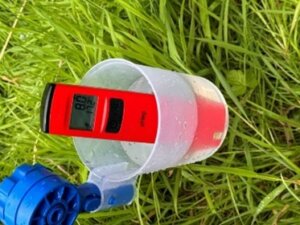
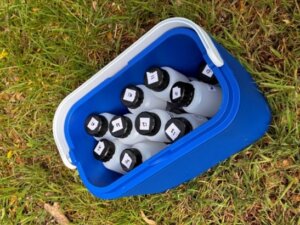
As part of understanding the current state of the Allen, ecologist Sadie Potter has been taking fortnightly water samples at 19 sites along the full stretch of the river looking at three key compounds; phosphorus, nitrates and ammonia, which can directly impact the river ecology. High levels of these nutrients are responsible for toxic algal blooms, low oxygen levels in the water and reduced habitats and biodiversity. Additionally, samples of the riverbed were taken at 10 sites and analysed with experts from the University of Southampton to identify old pollutants present in the sediment.

Identifying nutrient sources
Some sources may be easy to identify, such as municipal wastewater (known as point sources), and intermediate sources such as road/urban run-off and septic tanks, but the impact of nutrients that enter from agricultural land either directly or via the groundwater can be harder to pin down.
Creating solutions
Only by identifying sources and their relative impact can we develop feasible solutions that work for everyone involved. Examples include:
- Ensuring adequate phosphate removal at sewage treatment works
- Looking at manure storage and fertiliser use
- Creating wetlands or grassland along the river
- Maintaining riparian buffer zones
Water guardians
As part of their monitoring requirements, Wessex water work with volunteers from the Dorset Wildlife Trust known as the Water Guardians. Guardians are assigned a stretch of river to walk once a month, recording not only signs of pollution but also sightings of species of interest such as otters, or invasive plants. These reports help hold Wessex Water accountable but also help with the management of fly tipping or removal of problem plants.
If funding is granted for the River Allen Landscape Recovery project, expanding monitoring along the stream will be essential for tracking progress and is a great way to get involved.