
February 2nd is World Wetlands Day, when everything from marshes, mangroves and lakes, to rice paddies and the humble fishpond are celebrated.
In 2025 the Global Wetland Outlook report estimated that the world’s remaining wetlands contribute up to £28 trillion in benefits to humans every year – yet conservation efforts do not reflect their importance.
What wetlands do for us
Humans benefit more from wetlands than any other natural ecosystem. Global research estimated average annual per hectare value for grassland ecosystems at £4912 compared with £28,264 for rivers. These assessments of value are based on a range of factors, including:
- Provisioning services: food, water, fuel, fibre, biochemical products
- Regulating services: regulating climate, flooding and erosion, cleaning water
- Cultural services: recreational, educational and spiritual and aesthetic contributions to quality of life
Internationally recognised sites in Dorset
Produced by the Convention on Wetlands, the Ramsar List is the world’s largest network of protected areas. Designed as an international network of wetlands important for the conservation of global diversity and sustaining human life, the list includes 2,500 sites across its 172 member countries.
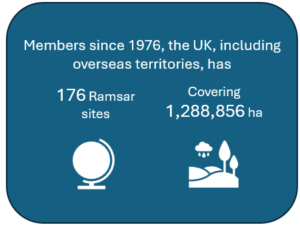
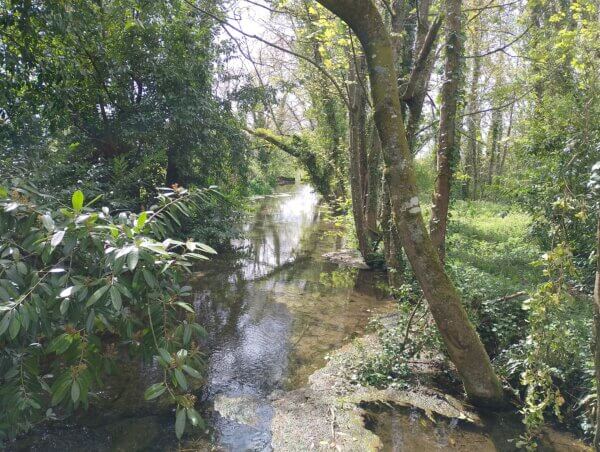
And several Ramsar sites are right here in Dorset, including Chesil beach, Poole Harbour, Dorset Heathlands, and the Avon Valley. Our chalk streams are also globally rare, so working to protect all our wetlands is essential.
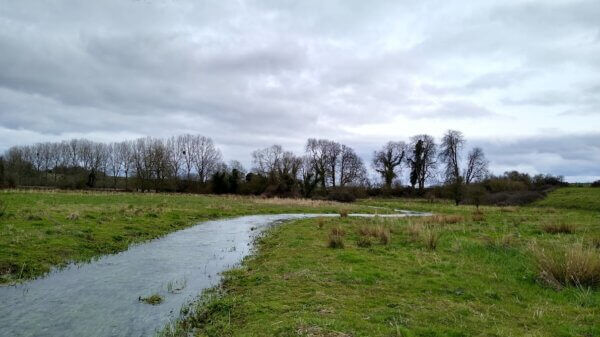
The River Allen has been extensively adapted – disconnected from its natural floodplain, straightened and controlled – to meet our needs. And now our needs have changed, and we are beginning to understand the importance of rivers in their most natural state to help in times of both flood and drought while supporting biodiversity, and, in turn, supporting us.
What we can do for wetlands
It might feel like protecting our waterways is too big a job for individuals to make a difference – but every time we turn on the tap, we are impacting our wetlands.
- Reducing water use at home puts less pressure on our water systems – remember, the water that flushes our toilets is drinking water.
- Save the rain. Catching rain in water butts and keeping a natural garden (not paved or covered in fake grass) will provide you with water during droughts and slow down water entering the drains during downpours, helping to reduce local flooding.
- Create your own wetland. As emphasised by the Convention on Wetlands, every source of water is important, installing even a small pond can provide a lifeline for a range of species in your garden.
World Wetlands Day, 2026
The theme this year is ‘Wetlands and traditional knowledge: celebrating cultural heritage’. The River Allen has long been recognised for its role in the history of Wimborne and celebrated in productions by the Wimborne Community Theatre. Keep an eye out for local events around the river on sites such as Planet Wimborne.
To learn more about wetlands and their importance, or this year’s World Wetlands Day visit: Ramsar.org and worldwetlandsday.org