
The white-clawed crayfish is the UK’s only native freshwater crayfish. They thrive in shallow, clean and mineral rich waters, including streams and rivers where stones and over-hanging vegetation can hide them from predators and help keep them cool.
However, due to their substantial decline, they are now listed as Endangered and protected under the Wildlife and Countryside Act, 1981.
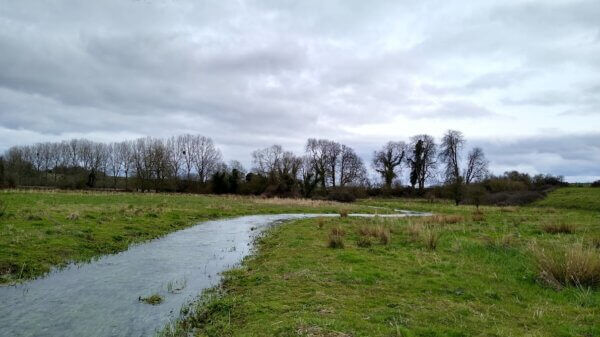
As a chalk stream, the River Allen is an ideal habitat for the white-clawed crayfish.
Legend says it was once home to so many that fishermen couldn’t wade into the river without treading on them!
Unfortunately, following the introduction of the North American signal crayfish to the UK in the 1970s, the white-clawed crayfish in the Allen have suffered. Signals carry the crayfish plague, a fungal disease which they are resistant to, but is highly contagious to our native species and causes rapid death. Spores of the disease can also be spread by otters, birds, and even people on wellies or fishing equipment.
In 2014, the crayfish plague swept through the Allen and all the white-clawed crayfish vanished in the space of a few weeks. Extensive surveys and testing by the Environment Agency and Dorset Wildlife Trust found no evidence of either crayfish species for 10 years.
With no known signal crayfish population on the river, it was concluded that the plague outbreak must have been a one-off event carried into the River Allen by a different source.
Re-introducing the white-clawed crayfish was, therefore, included as part of the River Allen Landscape Recovery project. Then, towards the end of 2024, an unexpected series of sightings changed our understanding of the situation completely.
In September, a fisherman on the River Allen found a large, live, signal crayfish, dashing our hopes of a white-clawed re-introduction programme. But, astonishingly, only a week later, our hydrology contractor found a white-clawed crayfish further up the river during their survey work! This provided evidence of a small white-clawed population clinging on in the upper catchment, despite the presence of signal crayfish further down the river.
In the space of a week, we went from thinking the River Allen had no crayfish at all to finding both species!
These discoveries have exciting and interesting implications. It is most unusual to find both species in a river due to the deadly impact of the crayfish plague, but it could be that a physical barrier, such as a weir, is preventing the signal crayfish from moving upstream.
Further surveys are now being undertaken to understand the extent of both populations. These will allow us to develop a new plan to support the surviving native, white-clawed crayfish and help them thrive.
We are constantly reminded of the resilience of nature and look forward to more surprises!
What should I do if I think I have spotted a crayfish on the River Allen?
Try to get a photo, in particular of the head which has a key identifying feature called the rostrum. Make a note of the location and get in touch with us so a professional eye can tell the different species apart and investigate further.
You can find more information here.